
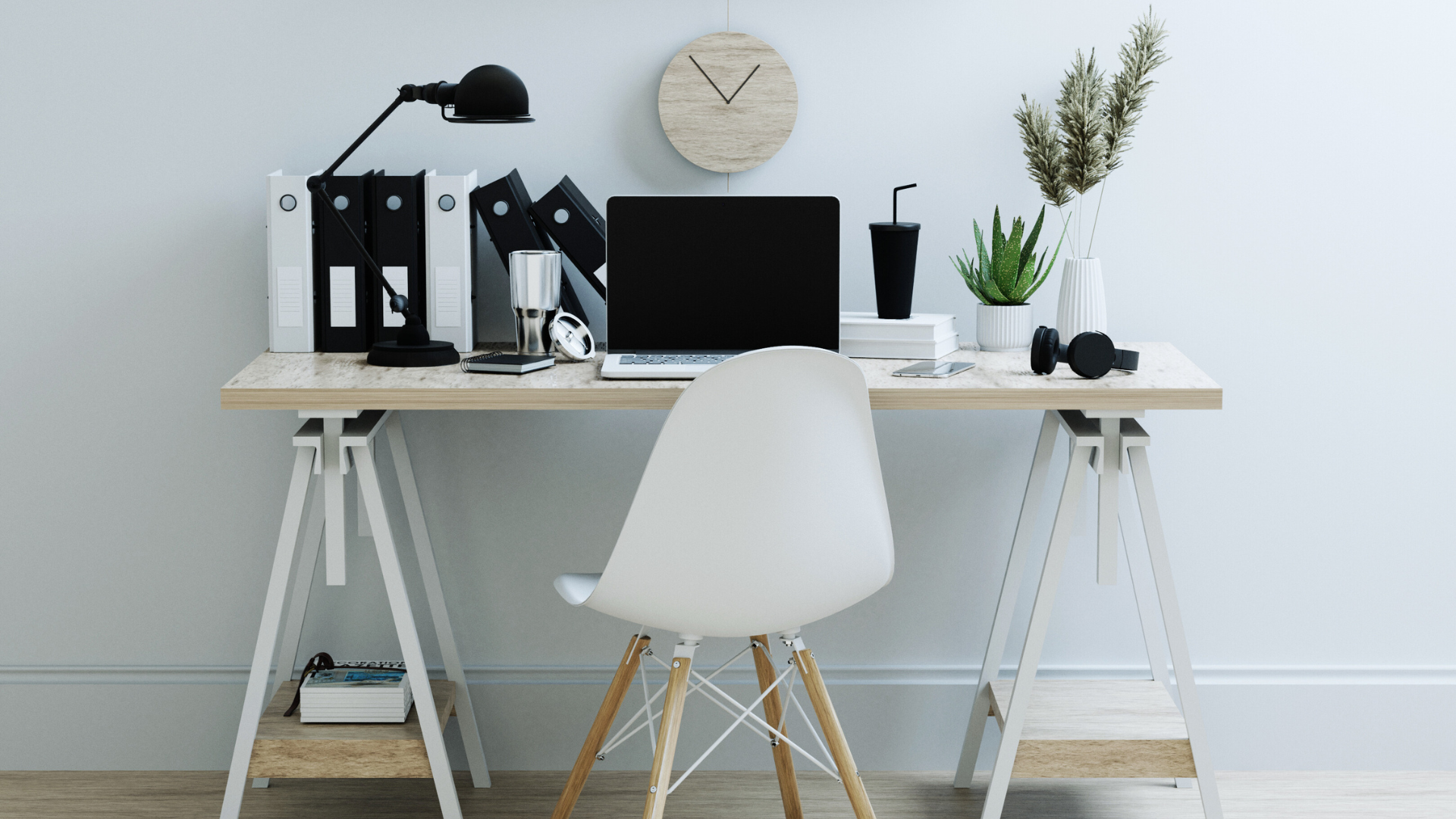

Building a minimalist tech setup can lead to increased focus and efficiency. By selecting powerful tools that serve multiple purposes, one can create a streamlined environment that enhances productivity. In today’s fast-paced world, minimizing distractions while maximizing functionality is key to achieving goals.
To start, it is essential to evaluate current tools and eliminate what is unnecessary. Choosing versatile devices that perform various tasks reduces clutter and simplifies workflows. This approach not only saves physical space but also helps in maintaining mental clarity.
Integration of minimalist principles into technology fosters a sense of intention and purpose. Simple yet powerful tools, such as lightweight laptops or multifunctional software, allow individuals to work smarter, not harder. This shift brings about a more effective and enjoyable tech experience.
Defining the Minimalist Tech Setup
Creating an effective minimalist tech setup involves adhering to specific principles, understanding the benefits, and identifying essential tools. Each aspect plays a crucial role in achieving a streamlined and efficient workspace.
Principles of Workspace Minimalism
Workspace minimalism starts with intentionality. Each item must serve a specific purpose. The goal is to eliminate distractions and clutter, allowing for focused work.
Key Principles:
- Functionality: Choose tools that meet essential needs without excess features.
- Simplicity: Avoid complex setups. A user-friendly interface enhances productivity.
- Organization: Keep only necessary items within reach. Store non-essential tools away for a tidy appearance.
Incorporating these principles leads to a clearer mind and improved concentration, creating a space where creativity can thrive.
Benefits of a Minimalist Tech Environment
A minimalist tech environment offers several distinct advantages. It can reduce mental fatigue and enhance productivity significantly.
Key Benefits:
- Increased Focus: Fewer distractions lead to better concentration on tasks.
- Enhanced Efficiency: Quick access to essential tools streamlines workflow.
- Reduced Stress: A clean workspace fosters a sense of calm and order.
Embracing minimalism also aids in better decision-making, as individuals spend less time sorting through unnecessary options.
Identifying Essential Digital Tools
Identifying essential digital tools is crucial for a minimalist tech setup. The focus should be on tools that enhance productivity and collaboration.
Essential Tools:
- Task Management: Applications like Todoist or Trello help keep track of tasks efficiently.
- Communication: Tools such as Slack or Microsoft Teams facilitate seamless collaboration.
- Cloud Storage: Options like Google Drive or Dropbox ensure easy access to files from anywhere.
By choosing the right tools, one can maintain a functional setup that supports their workflow without the burden of unnecessary digital clutter.
Designing a Functional Minimalist Workspace
Creating a functional minimalist workspace requires careful selection of furniture and decor that enhances focus and productivity. Key elements include the choice of desk, ergonomic seating, effective lighting, and the addition of greenery. These components work together to establish an efficient environment.
Choosing the Right Desk for Minimalism
When selecting a desk, the individual should prioritize simplicity and functionality. A standing desk or adjustable desk can provide flexibility, allowing the user to alternate between sitting and standing, promoting better posture and health. The surface should be spacious enough to accommodate essential items like a laptop and a few select tools.
Opt for a design that aligns with minimalist aesthetics, such as clean lines and neutral colors. Desks with built-in cable management can reduce visual clutter. Furthermore, materials like wood or metal can contribute to durability while maintaining a sleek appearance.
Selecting an Ergonomic Chair
An ergonomic chair is vital for maintaining comfort and productivity throughout the workday. It should provide good lumbar support, adjustable height, and the ability to recline. Features like a breathable fabric and proper cushioning enhance comfort, especially during long hours.
The chair should complement the desk in both style and function. A minimalist design with fewer visible elements promotes a clean look. Consider models that prioritize mobility, such as those with wheels, to allow easy movement within the workspace.
Optimal Lighting Strategies
Effective lighting is essential for reducing eye strain and enhancing focus. A combination of natural light and task lighting is ideal. Position the workspace near a window to maximize daylight exposure. This approach not only improves mood but also contributes to energy efficiency.
In addition to natural light, a good desk lamp with adjustable brightness is crucial for evening or low-light conditions. Look for lamps that provide focused illumination without harsh glare. This setup aids in maintaining clarity and concentration during work hours.
Incorporating Plants and Natural Elements
Adding greenery can significantly enhance a minimalist workspace. Succulents and snake plants are excellent choices due to their low maintenance and air-purifying qualities. They require minimal care, making them suitable for busy individuals.
Incorporating plants introduces natural elements that promote a calming atmosphere. Choose pots that align with the minimal aesthetic, opting for simple, monochromatic designs. This subtle addition not only beautifies the space but also contributes to improved well-being and productivity.
Selecting Powerful and Minimal Tech Tools
Building a minimalist tech setup requires careful selection of devices, accessories, and software that enhance productivity while minimizing clutter. The focus is on efficiency, streamlining essentials, and implementing effective communication tools.
Streamlining Devices and Accessories
When choosing devices, prioritize those that offer multifunctionality. A laptop with a good battery life and performance is essential. Consider lightweight options that are easy to transport.
Key accessories should also focus on minimalism. A compact, wireless keyboard enhances typing efficiency without adding bulk. Look for a mouse that is ergonomic yet travel-friendly. Minimizing cables is crucial for a clutter-free desk.
Wireless and Clutter-Free Solutions
Implementing wireless solutions is vital for reducing clutter. This allows for a clean workspace without excess cords.
Bluetooth technology offers a myriad of wireless options, including speakers and headphones, which can improve audio quality without occupying desk space.
Choosing products with long battery life ensures they remain functional throughout the day. Consider devices that support easy pairing and have robust connections to minimize connectivity issues.
Essential Software and Web Apps
Digital tools must provide robust functionality while maintaining simplicity. Use cloud storage services like Google Drive or Dropbox to manage files without physical storage needs.
Select productivity tools with intuitive user interfaces (UI), such as Notion or Todoist, for seamless task management. Apps like Trello can visually organize projects without complexity.
A focus on essential software minimizes distractions. Aim for tools that allow for integrations, enhancing workflows across various tasks while maintaining a clean digital workspace.
Effective Communication Platforms
In a minimalist tech setup, effective communication remains crucial. Use platforms designed for clarity and simplicity. Slack or Microsoft Teams are ideal for professional communication, offering channels that eliminate email clutter.
For video conferencing, choose user-friendly options like Zoom or Google Meet, which offer straightforward interfaces. These platforms should minimize setup times and maximize functionality.
Integrating these tools ensures that communication remains efficient without overwhelming the user, allowing for a streamlined working experience that adheres to minimalist principles.
Maintaining Organization and Simplicity
An organized and simple tech setup requires thoughtful solutions and consistent habits. Effective storage and decluttering strategies can significantly enhance the workspace and contribute to minimalism.
Using Smart Storage Solutions
Implementing smart storage is essential for a clutter-free desk. Floating shelves are an effective way to utilize vertical space without taking up valuable desk area. They can hold tech gadgets, books, or decorative items, providing easy access while keeping surfaces clear.
Drawers and organizers help segregate smaller items. A cable management box can hide unsightly cords, allowing for a streamlined appearance. Consider using stackable trays for papers or documents to further maximize storage efficiency.
Minimizing visible clutter can promote a focused work environment. Proper organization ensures that every item has its designated place, enabling quick access when necessary.
Strategies for Daily Decluttering
Daily decluttering keeps a workspace manageable. Setting aside a few minutes each day can prevent an accumulated mess. Starting each work session with a quick tidy-up can significantly enhance productivity.
He or she may benefit from a daily routine. This can include the following:
- Removing unnecessary items from the desk.
- File documents immediately rather than piling them up.
- Limiting items on the desk to essentials.
Using a basket for miscellaneous items can allow for easy sorting. Items should be evaluated regularly to decide what remains in the workspace.
Creating Habits for Minimalism
Developing habits to maintain minimalism is key to long-term organization. Individuals should commit to the “one in, one out” rule. This means that for every new item introduced, an old item should be removed to prevent clutter.
Regular reviews of technology and tools are crucial. Setting reminders to assess which apps or gadgets are no longer needed can simplify the digital environment. Unsubscribing from unnecessary emails can also reduce digital clutter.
Incorporating minimalistic principles into daily tasks can lead to a more efficient workspace. Each decision to keep or discard items reinforces a commitment to simplicity and organization.