
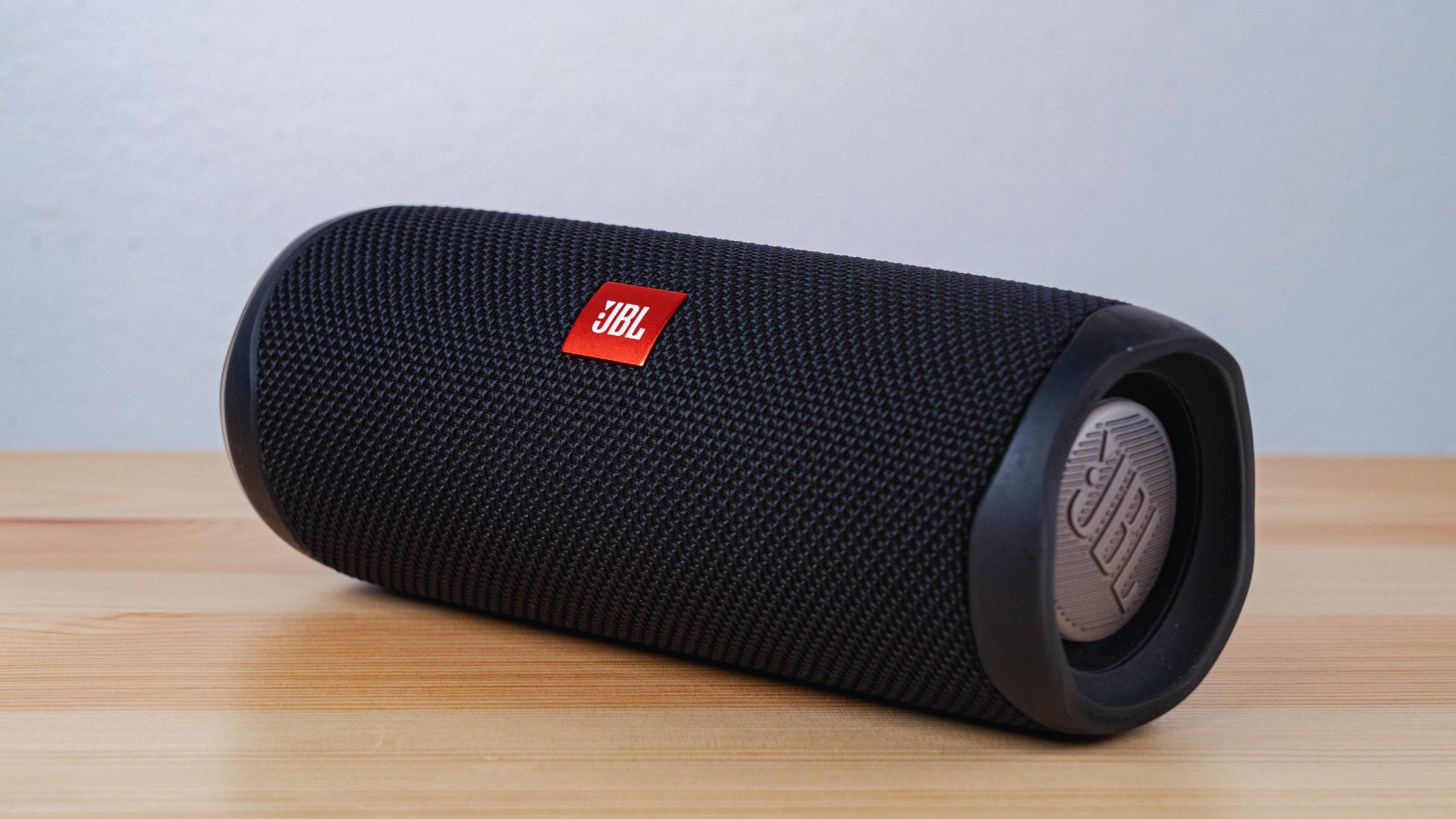

Choosing the right portable speaker for outdoor use can significantly enhance an outdoor experience, whether it’s for a picnic, beach day, or camping trip. Key factors to consider include sound quality, battery life, durability, and portability. Understanding each of these elements helps users select a speaker that fits their specific needs and environment.
A speaker’s sound quality is crucial for a clear and enjoyable listening experience outdoors, while battery life determines how long music can play before needing a recharge. Durability matters, especially in outdoor settings where weather and rugged terrain can pose risks to electronic devices. Portability ensures ease of transport, allowing for hassle-free enjoyment wherever a user goes.
With so many options available, knowing what to prioritize can simplify the decision-making process. By considering these essential features, individuals can confidently choose a portable speaker that will meet their outdoor listening needs.
Key Factors for Choosing a Portable Speaker for Outdoor Use
Selecting a portable speaker for outdoor use requires careful consideration of several factors. Prioritizing sound quality, weather resistance, battery life, and wireless connectivity will ensure that the speaker meets outdoor requirements effectively.
Assessing Sound Quality and Volume
Sound quality and volume are critical for outdoor settings. Speakers need to deliver clear audio even in noisy environments. Look for models that have a frequency range of at least 60 Hz to 20 kHz.
The driver size also plays a significant role. Larger drivers typically produce better bass. Aim for speakers with at least a 5W output for decent volume levels. Customers should also check reviews to determine how well a speaker performs in open air.
Features to look for:
- Bass response: Good bass enhances outdoor listening.
- Audio clarity: Ensure vocals are distinguishable.
- Sound projection: Check if the speaker has 360-degree sound.
Evaluating Weather Resistance and IP Rating
Weather resistance is essential for outdoor speakers. The IP rating indicates the level of protection against dust and water. A speaker with an IPX4 rating can handle splashes, while an IPX7 speaker can withstand immersion in water.
Consider the environment where the speaker will be used. For beaches or swimming pools, a higher rating provides peace of mind. Additionally, rugged designs enhance durability against drops and impacts.
IP Rating Guide:
- IPX4: Splash-proof, suitable for light rain.
- IPX7: Waterproof, can be submerged in water.
- IP67: Dust and waterproof, ideal for heavy-duty use.
Considering Battery Life and Portability
Battery life is a significant factor when using speakers outdoors. A speaker should last at least 10 hours on a single charge to avoid interruptions. Features like quick charging can also be beneficial.
In terms of portability, weight, and design matter. Lightweight models are easier to carry and may come with straps or handles.
Ideal Battery Specifications:
- 10-15 hours: Sufficient for day-long activities.
- Fast charging capability: Less downtime when charging.
Understanding Wireless Connectivity Options
Wireless connectivity is crucial for convenience. Most outdoor speakers use Bluetooth technology. Versions 4.0 and above ensure stable connections and a good range.
Some models also offer Wi-Fi capabilities for better sound quality at home. Additionally, look for built-in voice assistants and speaker pairing features for enhanced functionality.
Connectivity Features to Consider:
- Bluetooth range: Aim for at least 30 feet for good performance.
- Wi-Fi support: Offers higher fidelity for home settings.
- NFC pairing: Simplifies the connection process.
Essential Features in Outdoor Portable Speakers
When selecting a portable speaker for outdoor use, specific features enhance performance and user experience. Key considerations include size and design, sound quality, and additional sound features.
Selecting the Right Speaker Size and Design
Choosing the appropriate size and design is vital for portability and usability. A compact, lightweight speaker is easier to carry for hiking or beach outings.
Considerations for Size:
- Weight: A portable speaker should ideally weigh less than 3 pounds.
- Dimensions: Smaller speakers may fit into a backpack or cup holder easily.
Design also plays a role; rugged, water-resistant materials offer durability against outdoor elements. Look for IP ratings, such as IP67, which indicate good protection against dust and water. Colors and styles can reflect personal taste, making the speaker more enjoyable to use outdoors.
Importance of Bass, Drivers, and Passive Radiators
Sound quality is a priority in the outdoor environment where noise can be prevalent. Bass response is critical for enjoying music fully.
Key Components:
- Drivers: Larger drivers generally produce richer sound. Look for at least a 4-inch full-range driver for better audio quality.
- Passive Radiators: These enhance bass response without additional power. They allow for deeper lows, creating a more immersive sound experience.
Selecting a speaker with a strong bass presence can make outdoor gatherings more engaging. Be wary that optimal bass may not be produced in smaller models; assess the specifications closely.
360-Degree Sound and Equalizer Adjustments
For a more immersive audio experience, 360-degree sound is beneficial. This feature ensures that sound disperses evenly in all directions, preventing hot spots or dead zones.
Considerations for 360-Degree Sound:
- Speakers with a cylindrical shape often produce this effect more effectively.
- Look for models specifically designed for omnidirectional sound output.
Additionally, equalizer (EQ) adjustments allow users to customize the sound profile to match outdoor acoustics. Some speakers offer presets for different environments, enhancing the experience further. This flexibility can dramatically improve enjoyment in diverse outdoor settings.
Comparing the Best Outdoor Bluetooth Speakers
When selecting an outdoor Bluetooth speaker, several factors play a crucial role. Popular models come with standout technologies, while durability and waterproof ratings remain essential considerations. Tailoring the choice based on specific outdoor activities can enhance the listening experience.
Popular Models and Standout Technologies
Several models have gained popularity in the outdoor speaker market. The Sonos Roam stands out for its incredible sound quality and portability. Its seamless integration with smart home devices adds versatility.
Other notable speakers include the JBL Charge 5, known for its robust design and powerful battery life. It boasts features like built-in power banks to charge devices on the go. Ultimate Ears Wonderboom 2 is compact yet delivers impressive sound. It offers 360-degree audio, making it ideal for outdoor gatherings.
Examining Durability and IPX7 Waterproof Ratings
Durability is critical for outdoor speakers. Units with an IPX7 rating are resistant to water immersion up to 1 meter for 30 minutes. This makes them suitable for near pools or during unexpected rain.
Models like the JBL Flip 6 and Bose SoundLink Micro feature this rating, ensuring protection against splashes and spills. Rugged designs also help withstand accidental drops and bumps. Additional elements like rubberized exteriors can enhance grip and resilience further.
Tailoring Speaker Choice to Outdoor Activities
Choosing the right speaker involves considering the specific outdoor activity. For beach outings, a waterproof option with strong bass can enhance the vibe. Speakers like the Ultimate Ears MEGABOOM 3 can deliver powerful sound and have the durability for sand and water.
For hiking, lightweight and compact options such as the Anker Soundcore Mini provide great portability without sacrificing sound quality. Additionally, battery life becomes essential for long trips. Speakers with extended playtimes ensure that music lasts throughout the day.
Practical Tips for Maximizing Outdoor Speaker Performance
To get the most out of outdoor Bluetooth speakers, attention to placement and setup is essential. Proper maintenance and care can significantly enhance the longevity of the speaker and the quality of sound produced.
Optimal Placement and Setup
Choosing the right spot for outdoor speakers is crucial. Positioning them at least three feet off the ground helps reduce obstructions and increases sound projection.
Consider the following tips:
- Avoid corners: Placing speakers in corners can distort sound. Open areas provide a better echo.
- Angle the speakers: Directing speakers towards the listener can enhance sound clarity.
- Utilize reflective surfaces: If possible, position speakers near walls or surfaces that can reflect sound waves.
Environmental factors also play a role in sound quality. Wind can disperse sound, while dense foliage may absorb it. Taking these elements into account can optimize audio performance.
Maintenance, Storage, and Longevity
Proper upkeep can prolong the life and performance of outdoor Bluetooth speakers. Regularly cleaning them helps prevent dust and moisture buildup, which can impair functionality.
Maintenance tips include:
- Wipe with a soft cloth: Regularly clean the exterior to keep it free from debris.
- Store in a dry place: When not in use, store speakers in a protective case or indoors to guard against moisture.
- Check battery health: For rechargeable models, monitor battery performance and charge as needed.
Exposure to extreme weather can also impact performance. Consider bringing speakers indoors during storms or extreme temperatures. With these practices in place, users can ensure their outdoor speakers deliver optimal sound quality for years to come.