
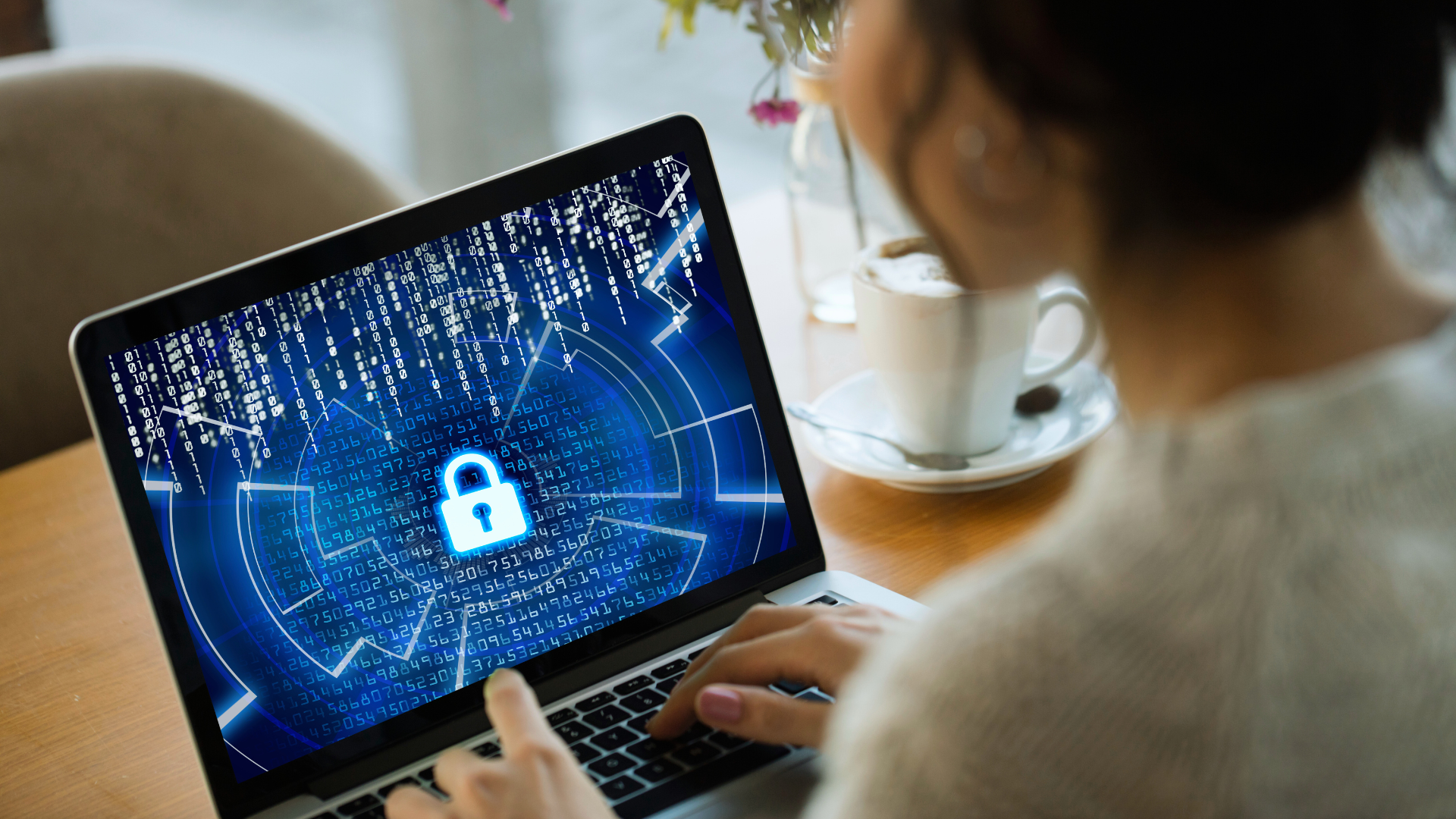

Remote work has transformed how organizations operate, making cybersecurity more critical than ever. As employees connect from various locations and devices, the potential for cyber threats increases. A robust cybersecurity strategy is essential for protecting remote workers and securing sensitive company data against breaches and attacks.
Cybersecurity encompasses a range of practices and technologies designed to safeguard digital assets. Remote workers often use personal devices and unsecured networks, putting themselves and their employers at risk. Companies must implement strong security measures, such as VPNs, multi-factor authentication, and regular training, to create a secure remote working environment.
By prioritizing cybersecurity, organizations not only protect their data but also ensure that remote workers can perform their tasks without disruption. As remote work continues to gain popularity, understanding the role of cybersecurity is imperative for any business aiming to remain resilient in an increasingly digital landscape.
Why Cybersecurity Is Essential for Remote Workers
As remote work becomes more prevalent, organizations must recognize the heightened cybersecurity risks that accompany this shift. Protecting sensitive data and ensuring safe work environments for remote employees are now paramount.
The Shift to Remote Work and Increased Cybersecurity Risk
The move to remote work has accelerated significantly, influenced by factors such as technological advances and global events. This transition has opened up vulnerabilities that traditional office environments typically mitigate.
In a remote work setting, employees may access company data over less secure networks, such as public Wi-Fi. These environments can expose organizations to a variety of cyber threats.
Organizations must adapt their cybersecurity measures to safeguard remote workers effectively. Implementing robust security protocols ensures that sensitive information remains protected from unauthorized access.
Unique Threats Facing Remote Employees
Remote workers face unique cybersecurity threats that differ from those encountered in office settings. Phishing attacks, malware, and ransomware are particularly common. Employees may inadvertently click on malicious links or download harmful attachments while working from home.
Additionally, using personal devices for work can complicate security. These devices might lack the security features that corporate devices typically have. This increases the risk of data breaches and compromises.
Organizations should provide training and resources to educate remote employees about these specific threats. Awareness can significantly reduce the likelihood of successful attacks.
Impact of Cybersecurity Breaches on Businesses
Cybersecurity breaches have serious consequences for businesses. A single breach can result in financial loss, damage to reputation, and legal repercussions.
For example, breaches may lead to the theft of sensitive customer information, resulting in costly lawsuits or fines. According to data, the average cost of a data breach can run into millions.
Moreover, the impact on employee morale can be significant. When workers feel their information isn’t secure, trust and productivity may deteriorate, negatively affecting the workforce.
Collective Responsibility for Cyber Resilience
Ensuring cybersecurity in a remote work environment is a shared responsibility. Both employers and employees must engage in practices that promote security awareness and resilience.
Employers should implement comprehensive cybersecurity policies and provide ongoing training. This includes regular updates about emerging threats and security best practices.
Employees, in turn, should take proactive steps to secure their workspaces. Utilizing strong passwords, enabling two-factor authentication, and being vigilant about suspicious activities are essential practices for personal accountability in cybersecurity.
Common Cyber Threats in Remote Work Environments
Remote work opens avenues for enhanced productivity but also introduces specific cyber threats that can compromise security. Awareness of these threats is crucial for protecting sensitive information and maintaining organizational integrity.
Phishing Attacks and Social Engineering
Phishing attacks remain a leading threat in remote work settings. These attacks often come through emails or messages that appear legitimate, enticing users to click on malicious links or provide sensitive information.
Social engineering exploits human psychology to manipulate individuals into revealing confidential data. This could involve impersonating IT personnel or company executives, increasing the likelihood of a successful breach.
To combat these threats, companies should educate employees on recognizing suspicious communications. Regular training sessions can help reinforce safe practices and establish a culture of vigilance.
Malware, Ransomware, and Malware Infections
Malware poses significant risks to remote workers, often infiltrating systems through infected files or software. Once activated, this software can lead to severe data loss and operational disruptions.
Ransomware is a specific type of malware that locks files until a ransom is paid. The economic impact of a ransomware attack can be devastating. Companies may face hefty ransoms and the cost of recovery efforts.
To mitigate these risks, organizations should implement robust antivirus solutions and conduct regular software updates. Employing multi-layered security measures can also help protect against malware infections and unauthorized encryptions.
Data Breaches and Unauthorized Access
Data breaches can occur when unauthorized individuals gain access to confidential systems or information. Remote work environments often utilize cloud-based services, which can become targets for cyber attackers.
Employees may inadvertently expose sensitive data through weak passwords or unsecured file-sharing practices. In addition, using personal devices for work can also increase vulnerability to data breaches.
Organizations must enforce strict access controls and use strong authentication methods. Ensuring that all devices used for work are secure helps mitigate the risks associated with unauthorized access.
Risks from Unsecured Devices and Networks
Remote workers often connect to various networks, some of which may not have adequate security measures. Public Wi-Fi networks are especially risky, as they can be easily compromised.
Devices that are not regularly updated may harbor vulnerabilities that cybercriminals can exploit. This creates opportunities for data exfiltration or other malicious activities.
Employing a Virtual Private Network (VPN) can enhance security when accessing company resources remotely. Encouraging employees to use devices with updated software and strong security settings is essential to safeguarding information on unsecured networks.
Key Cybersecurity Strategies for Protecting Remote Workers
Effective cybersecurity is crucial for remote workers. Implementing the right strategies can significantly reduce vulnerabilities and enhance data protection.
Endpoint Security and Antivirus Software
Endpoint security is essential for protecting devices used by remote workers. This includes implementing antivirus software to detect and neutralize threats.
Organizations should choose robust antivirus solutions with real-time scanning and threat detection capabilities. Regular software updates are critical to ensure the latest security patches are applied.
In addition, firewalls should be utilized to monitor and control incoming and outgoing network traffic. This layered security approach helps safeguard sensitive data from potential breaches.
Implementing VPNs and Secure Networks
A Virtual Private Network (VPN) encrypts internet connections, providing a secure channel for data transmission. This is vital for remote employees accessing company resources over potentially unsecured networks.
Using a VPN also masks IP addresses, enhancing user anonymity. Organizations should mandate VPN usage to protect sensitive information from interception or eavesdropping.
When setting up VPN configurations, it is crucial to choose secure protocols such as OpenVPN or IKEv2/IPSec. Regular assessments of network security will also help identify vulnerabilities.
Multi-Factor Authentication and Access Control
Multi-Factor Authentication (MFA) adds an extra layer of security by requiring multiple forms of verification before granting access. This significantly reduces the likelihood of unauthorized access to sensitive systems.
Role-Based Access Control (RBAC) should also be implemented. This limits user access based on their role, ensuring employees only access the data necessary for their job functions.
Organizations should regularly review access permissions to prevent siloed security vulnerabilities. Combining MFA with RBAC creates a strong access management framework. Managing these security frameworks becomes more complex when external service providers oversee compliance for multiple clients. Managed security service providers often need specialized tools to maintain visibility across different accounts. A white-label GRC platform for MSSPs helps these providers deliver branded risk assessments and compliance reports. This setup keeps client data separate and presents a unified interface under the provider’s own brand. It simplifies the administration of access controls and security audits for external teams.
Password Management and Encryption
Effective password management is crucial for maintaining the integrity of accounts. Using a password manager allows users to generate and store complex passwords securely.
Passwords should be unique and follow best practices, including a combination of letters, numbers, and special characters. Routine password changes can mitigate risks from leaks or breaches.
Encryption plays a vital role in securing sensitive data. Organizations should enforce encryption protocols for data at rest and in transit to protect confidential information from unauthorized access.
Best Practices and Organizational Responsibilities
Establishing a secure environment for remote workers involves multiple strategies. Emphasizing policies, training, monitoring, and a culture of security is essential for effective cybersecurity management.
Developing Remote Work Policies and Security Protocols
Creating clear remote work policies is crucial. These policies should outline security protocols that employees must follow to protect sensitive information.
Relevant areas include:
- Device Security: Specify the use of company-issued devices and approved personal devices.
- Network Security: Require secure connections, like VPNs, for accessing company resources.
- Data Protection: Outline proper handling and storage practices for sensitive data.
Regular updates to these policies ensure they remain effective against evolving threats.
Employee Cybersecurity Training and Awareness
Employee training serves as the first line of defense against cyber threats. Organizations can implement comprehensive training programs covering topics like phishing, password management, and secure browsing practices.
Key elements should include:
- Regular Training Sessions: Scheduled sessions keep employees informed about current threats.
- Interactive Learning: Use quizzes and simulations to enhance engagement and retention of information.
- Awareness Programs: Promote ongoing campaigns to remind employees of security best practices.
An informed workforce can effectively reduce the risk of security incidents.
Regular Security Audits and Monitoring Tools
Conducting regular security audits is vital for identifying vulnerabilities. These audits assess compliance with established policies and highlight areas needing improvement.
Organizations should also utilize monitoring tools, such as EDR (Endpoint Detection and Response) systems.
Benefits of effective monitoring include:
- Real-time Threat Detection: Immediate alerts help address issues before they escalate.
- Data Protection Enforcement: Continuous monitoring ensures adherence to security policies.
- Reporting: Audits provide insights into security posture and recommend enhancements.
Such measures contribute to a robust security framework.
Building a Culture of Security Awareness
Fostering a culture of security awareness within an organization enhances overall cybersecurity. Leadership should promote security as a shared responsibility.
Strategies include:
- Open Communication: Encourage employees to report suspicious activities without fear.
- Recognition Programs: Acknowledge those who adhere to best practices, reinforcing positive behavior.
- Information Sharing: Regularly update employees on new threats and security tips.
By integrating security into the organizational culture, employees are more likely to prioritize cybersecurity in their daily activities.