
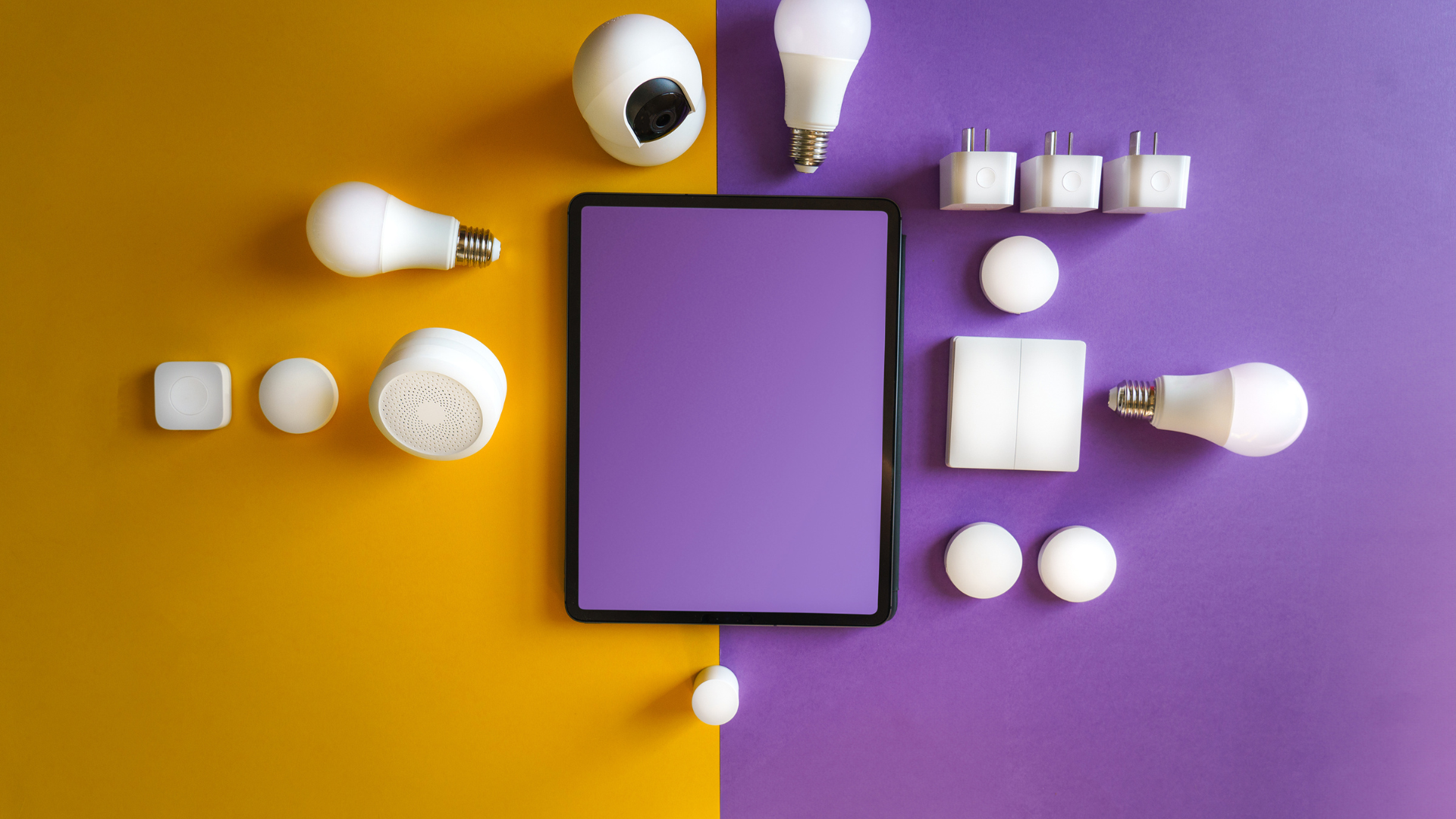

The rapid development of smart home technology has transformed how people interact with their living spaces. Reviewing the latest smart home devices reveals innovative features that enhance convenience, security, and efficiency in everyday life. As home automation continues to evolve, consumers can explore a wide range of products designed to create a more streamlined and responsive home environment.
From smart thermostats that learn user preferences to voice assistants that control various devices with simple commands, the potential for a fully integrated smart home ecosystem is vast. Each device contributes to an interconnected system, allowing users to manage their homes more effectively. This article provides insights into the newest offerings and what makes them stand out in today’s market.
Navigating the options can be daunting, given the sheer number of devices available and the rapid pace of technological advancement. By examining key features, compatibility, and user experiences, this review aims to guide readers in making informed decisions about which smart home devices will best suit their needs.
Essential Smart Home Devices
Smart home devices enhance convenience, security, and efficiency in everyday life. This section discusses crucial components that users should consider for a well-rounded smart home setup.
Smart Speakers and Displays
Smart speakers like the Amazon Echo and Google Home are at the forefront of home automation. They feature built-in voice assistants such as Alexa and Google Assistant, allowing users to control various smart devices through simple voice commands.
Smart displays, such as the Echo Show 8, provide additional functionality by incorporating a screen. This enables video calls, weather updates, and streaming media. Their versatility makes them central hubs for controlling homes, blending entertainment with practicality.
Voice Assistants and Hubs
Voice assistants play a vital role in connecting smart home devices seamlessly. Alexa, Google Assistant, and Siri power many smart home systems, allowing users to execute commands hands-free.
Smart hubs integrate various devices into a single platform, making it easier to manage them. Apple HomeKit offers a robust solution for Apple users, while other ecosystems like Samsung SmartThings cater to a wider range of devices. These hubs facilitate communication and improve device compatibility.
Smart Security and Cameras
Security is a major concern in any smart home. Devices such as security cameras and smart locks help provide peace of mind by enabling real-time monitoring and alerts. Products like the Nest Cam and similar systems allow users to stay informed about activity around their homes. In addition, when it comes to managing and storing the recorded footage effectively, options such as microSD cards Canada (or from other locations) are often used for their compatibility and convenience. They offer compact storage, easy installation, and reliable data access.
Smart locks also enhance security by enabling remote locking and unlocking. Integration with voice assistants means users can check the status of their locks and control access with ease. Investing in smart security devices strengthens home safety.
Lighting and Temperature Control
Smart lighting systems, like those from Philips Hue, offer customizable lighting options that can change according to the user’s needs. These lights can be controlled via voice commands, smartphone apps, or routines set up in smart hubs.
Temperature control is equally important, with smart thermostats like the Nest Learning Thermostat and Ecobee Smart Thermostat Premium. These devices learn the user’s habits and adjust heating and cooling accordingly, enhancing energy efficiency while maintaining comfort.
Interconnectivity and Standards
Interconnectivity and standards play a crucial role in the smart home landscape, enabling devices to communicate seamlessly. Effective communication protocols ensure that devices can integrate smoothly within the smart home ecosystem, enhancing user experience and functionality.
Smart Device Communication Protocols
Smart home devices often rely on various communication protocols to facilitate interaction. Zigbee and Z-Wave are two popular standards that allow devices to create a mesh network, improving range and reliability. These protocols support low power consumption, making them ideal for battery-operated devices.
Thread is another emerging protocol that offers secure, low-latency communication with a focus on interoperability between devices. It creates a reliable network without the need for a central hub, enhancing responsiveness. Devices that use voice control also benefit from these protocols, ensuring that commands are executed efficiently.
Future-Proofing with Matter
The matter is designed to unify the smart home experience by establishing a common standard for device communication. This interoperability enables users to mix and match devices from different manufacturers, fostering a more cohesive smart home ecosystem. As Matter gains adoption, it simplifies setup and control across various platforms.
Local processing enhances the capabilities of devices by reducing reliance on cloud servers. This method allows quick responses to user commands, improving performance, particularly in voice-controlled systems. By integrating Matter, manufacturers ensure their devices remain relevant in a rapidly evolving technology landscape, addressing future connectivity needs while providing flexibility in device choice.
Advanced Smart Home Integration
Integrating advanced smart home devices enhances convenience, security, and entertainment. By focusing on systems that work seamlessly together, users can create a cohesive and responsive environment.
Home Security Systems
Smart doorbells, like the Ring and Nest Doorbell, play a key role in modern home security. They enable users to monitor entrances via video feeds and receive alerts on their smartphones.
Home security systems can include multiple components, such as indoor and outdoor cameras, motion sensors, and alarms. Many systems offer compatibility with platforms like Google Assistant or Amazon Alexa, allowing for voice control and automation.
With intelligent features, users can automate security functions, such as scheduling alarms or setting up alerts for specific events. Enhanced functionality ensures peace of mind, as these devices provide real-time data and integration options.
Automation and Customization
Automation is a cornerstone of advanced smart home integration. Users can create routines that control various devices with a single command. For example, a morning routine could include adjusting the thermostat, turning on lights, and starting the coffee maker.
Customization options extend to device settings and group functionalities. Users can connect devices across brands and ecosystems, improving interoperability. Platforms such as Apple HomeKit and SmartThings facilitate this integration.
Additional automation can include conditional actions triggered by specific events, such as leaving or arriving home. This level of customization helps optimize energy usage and enhances daily living experiences.
Audio and Entertainment
Smart speakers like the HomePod, Nest Audio, and Sonos Era 100 offer immersive sound quality, elevating the audio experience. These devices often support high-fidelity streaming and multi-room audio setups, allowing seamless listening throughout the home.
Integration with smart home systems enables voice-activated control for music and entertainment options. Users can request specific songs or playlists, enhancing convenience.
Some devices also support surrounding audio features, creating an immersive sound atmosphere for movies or gatherings. This capability enriches entertainment experiences, making it easy to tailor audio environments to individual preferences.
Considerations for Selecting Smart Home Devices
When selecting smart home devices, individuals should prioritize compatibility with existing systems, energy efficiency, and security measures. These factors can significantly affect the functionality, cost savings, and protection of a smart home environment.
Compatibility and Ecosystem
Choosing devices that work seamlessly within a specific ecosystem is crucial. For instance, Apple HomeKit users can benefit from devices that support Apple Home Key, allowing for easy integration and control via iOS devices. Compatibility ensures devices can communicate and interact efficiently.
When considering smart home devices, researching brands is helpful. Popular ecosystems include Amazon Alexa, Google Assistant, and Samsung SmartThings. These ecosystems often offer a wide range of compatible devices, such as smart locks and video doorbells, making it easier for users to create a cohesive smart home experience.
Energy Efficiency and Sustainability
Energy-efficient devices can greatly reduce utility bills and environmental impact. Look for products with energy-saving features or certifications like ENERGY STAR. For example, smart outdoor security cameras often include features that conserve power during inactive periods.
Implementing smart lighting systems can also contribute to energy efficiency. These systems often provide options for scheduling and remote control, allowing users to turn off lights when not needed. By selecting energy-efficient smart devices, homeowners can create a more sustainable and cost-effective living space.
Security and Privacy
Security and privacy are paramount when choosing smart home devices. A smart home security system typically involves a combination of cameras, alarms, and smart locks, which offer a higher level of protection than traditional systems. It’s essential to evaluate the security protocols of these devices, such as end-to-end encryption.
Users should also consider how data is handled. Devices with robust privacy policies help ensure personal information remains secure. Opting for security cameras and smart locks that include features like two-factor authentication can further enhance security measures, giving homeowners peace of mind.