
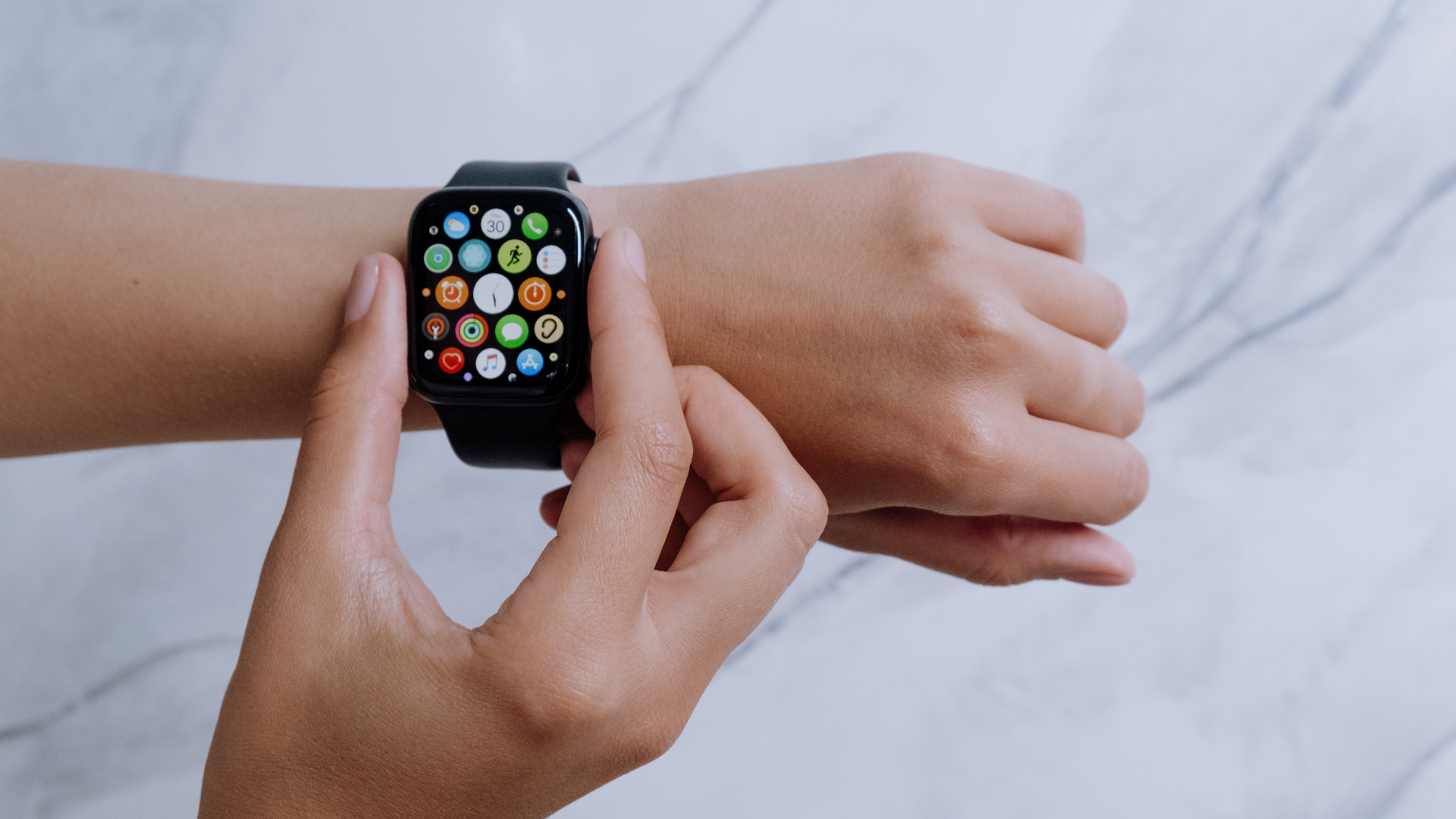

Choosing the right smartwatch can significantly enhance one’s daily routine, making life easier and more efficient. Identifying the key features that align with personal activities and preferences will guide individuals in selecting the best option for their lifestyle. Whether for fitness tracking, notifications, or compatibility with other devices, understanding what matters most is essential in the decision-making process.
With a variety of options available, each smartwatch caters to different needs. Tech-savvy individuals may prioritize advanced features, while those who prefer simplicity may look for essential functions. Knowing what aspects to consider can simplify the selection process and ensure satisfaction.
Ultimately, making an informed choice involves recognizing specific daily habits and how a smartwatch can fit into those. From health monitoring to connectivity options, assessing personal requirements is crucial in finding the perfect match.
Defining Your Smartwatch Needs
Choosing the right smartwatch involves understanding personal daily activities, fitness goals, and desired connectivity features. Identifying these needs will guide users in selecting a device that aligns with their lifestyle.
Understanding Your Daily Activities
Daily activities play a significant role in smartwatch selection. For someone with a dynamic lifestyle, a rugged smartwatch may be necessary, while those who spend most of the day at a desk might prioritize style and advanced features.
Key Points:
- Work Environment: Is the smartwatch suitable for an office or active setting?
- Usage Frequency: Will it be worn daily, or only during workouts?
- Battery Life: Longer battery life is crucial for frequent users.
Analyzing these factors ensures the chosen device supports her everyday activities without becoming a burden.
Assessing Your Fitness and Health Goals
For fitness enthusiasts, it’s essential to evaluate personal fitness and health goals before purchasing a smartwatch. Users should consider features like heart rate monitoring, workout modes, and sleep tracking.
Important Features:
- Health Monitoring: Continuous heart rate and ECG capabilities can provide valuable insights.
- Workout Modes: Multiple modes for different activities (running, cycling, swimming) are beneficial for varied fitness routines.
- Goal Tracking: The ability to set and monitor fitness goals keeps users motivated.
Selecting a smartwatch that aligns with specific health targets increases the likelihood of achieving them.
Prioritizing Connectivity and Smart Features
Users should identify which smart features are essential for their lifestyle. Connectivity options play a vital role in enhancing the user experience.
Considerations:
- Notifications: Does it support calls, texts, and app alerts?
- Compatibility: Ensure compatibility with existing devices (iOS or Android).
- Customization: Look for options that allow personalization of watch faces and apps.
A smartwatch that seamlessly integrates with daily technology can enhance productivity and streamline communication.
Evaluating Essential Smartwatch Features
Choosing the right smartwatch involves examining crucial features that align with individual lifestyle needs. Factors like fitness tracking capabilities, device compatibility, battery efficiency, and design options greatly influence the decision.
Fitness and Health Tracking Capabilities
Fitness tracking features are vital for those focusing on health and activity. Key metrics to consider include heart rate monitoring, GPS functionality, and sleep tracking.
- Heart Rate Monitoring: This allows users to keep track of their cardiovascular health through continuous or on-demand readings.
- Built-in GPS: Ideal for outdoor workouts, it enables accurate distance tracking without needing a smartphone.
- Sleep Tracking: Many devices analyze sleep patterns to help improve rest quality.
- Additional Features: Some smartwatches offer SpO2 monitoring and stress tracking, providing a well-rounded health overview.
Compatibility with Android and iOS Devices
Compatibility is a critical factor in selecting a smartwatch. Users must ensure their chosen device seamlessly integrates with their smartphone operating system.
- Android Users: Most smartwatches offer robust compatibility with Android devices, allowing access to features and notifications.
- iOS Users: Apple Watch generally provides the best experience for iOS users, fully utilizing Apple’s ecosystem.
- Cross-Compatibility: Some brands offer limited features when used with the opposite OS, affecting functionality, such as notifications and app access.
Battery Life and Charging Options
Battery life can differ significantly across smartwatch models and is fundamental for daily use. Many modern devices offer more than just battery duration; they also provide various charging options.
- Battery Life: Users should look for devices that last at least one day on a single charge, with some high-end models lasting multiple days.
- Charging Options: Magnetic chargers are common, while some offer quick charging for on-the-go users.
- Battery Savers: Features such as power-saving modes can extend battery life during long outings.
Design and Personalization Choices
A smartwatch should reflect personal style while offering functional design elements. Key design aspects to consider include display quality and customization options.
- Display Quality: AMOLED displays provide vibrant colors and deep blacks, enhancing visibility during outdoor activities.
- Watch Faces: Many smartwatches offer a range of customizable watch faces to match personal aesthetics.
- Interchangeable Straps: Users can personalize their device with different strap options, allowing for versatility in fashion and comfort.
These features play an important role in ensuring the smartwatch meets the user’s lifestyle demands.
Comparing Smartwatch Functionality for Different Lifestyles
Smartwatches offer diverse functionalities tailored to various lifestyles. Choosing a model that aligns with specific needs enhances daily productivity, health management, and entertainment options.
Smart Notifications and Productivity Tools
With smart notifications, users can receive alerts directly from their smartphones. This feature allows them to stay updated on important messages, calendar reminders, and emails without needing to pull out their phones.
Productivity tools integrated into smartwatches, such as task management apps and voice assistants, improve time management. For example, voice commands can set reminders or check schedules quickly.
Some models also provide weather updates, which can be crucial for planning outdoor activities. Notifications for social media interactions can help users remain connected while minimizing interruptions.
Activity Modes and Water Resistance
Activity modes cater to fitness enthusiasts by tracking exercises like running, cycling, or swimming. These modes monitor metrics such as heart rate, distance, and calories burned, enabling users to set and achieve health goals effectively.
Water resistance is another vital factor. A smartwatch with at least a 5 ATM rating can withstand immersion in water, making it suitable for swimming and other water sports.
Health apps often integrate with these features, offering insights into overall wellness. This functionality appeals to individuals focused on fitness or those wanting to maintain a healthy lifestyle.
Entertainment and Music Controls
Smartwatches often come equipped with music control options, allowing users to play, pause, or skip tracks without accessing their phones. This feature is beneficial during workouts or commutes.
Some smartwatches allow direct streaming from music services, making it easier to enjoy playlists on the go. This functionality can enhance the user experience during various activities.
Additionally, integration with smart home devices can extend the entertainment capabilities of a smartwatch. Controlling smart speakers or televisions is possible through compatible apps, providing convenience for music lovers and tech enthusiasts.
Making the Right Choice and Next Steps
Selecting the perfect smartwatch involves evaluating personal needs and preferences, along with practical assessments. Addressing the budget, hands-on trials, and setup will enhance the overall experience.
Balancing Budget and Desired Features
Smartwatch prices vary widely based on features and brand. Setting a budget early on is crucial. Features to consider include fitness tracking, notifications, battery life, and compatibility with other devices.
A practical approach is to prioritize essential functionalities over luxury items. Create a list of desired features and compare models within the budget. For example:
| Feature | Basic Models | Mid-Range Models | Premium Models |
| Fitness Tracking | Yes | Yes | Advanced |
| Interchangeable Straps | Limited | Yes | Yes |
| Watch Faces | Limited | Variety | Wide Selection |
| Charging Options | Standard | Fast Charging | Wireless |
Trying On and Customizing Your Smartwatch
Before making a purchase, trying on different smartwatches can provide valuable insights. Fit and comfort are essential, as a watch should feel good on the wrist.
Consider aspects like weight, size, and strap material. Interchangeable straps can enhance versatility and match personal styles. Customizing watch faces is also important for personalization, making the watch more enjoyable to use.
Most retailers allow in-store trials of various models. This experience can ensure that the chosen device aligns with lifestyle requirements.
Setting Up Your Device for Success
Once a smartwatch is selected, proper setup will enhance its functionality. It’s vital to connect the smartwatch to a smartphone for seamless notifications and app integration.
Ensure the latest software updates are installed for optimal performance. Customizing settings like display brightness, notifications, and fitness goals can tailor the user experience.
Familiarize yourself with charging options, including wireless pads or traditional chargers. Efficient charging methods can maximize daily usage and reduce downtime.